| Weight | 0.200 kg |
|---|
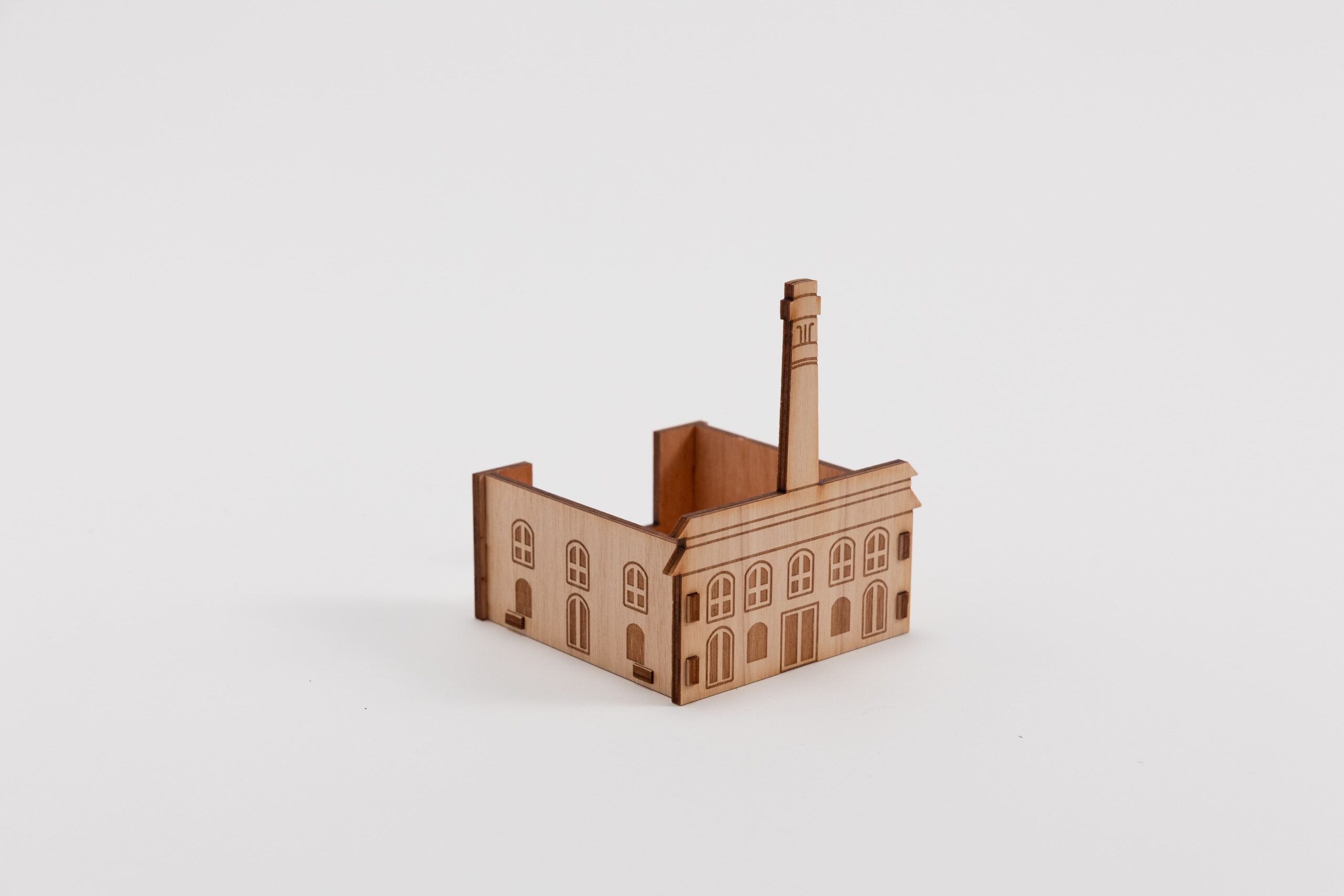
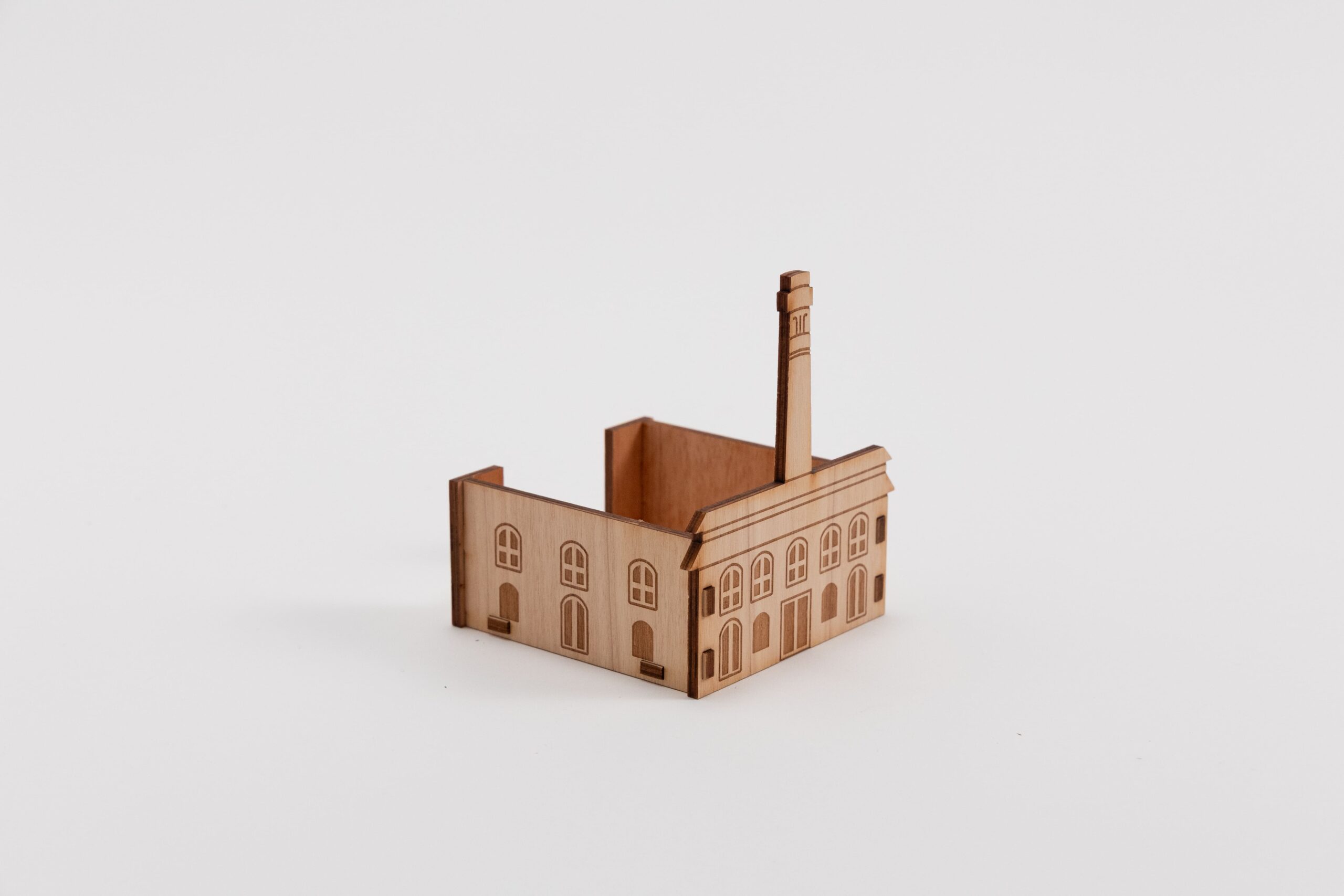
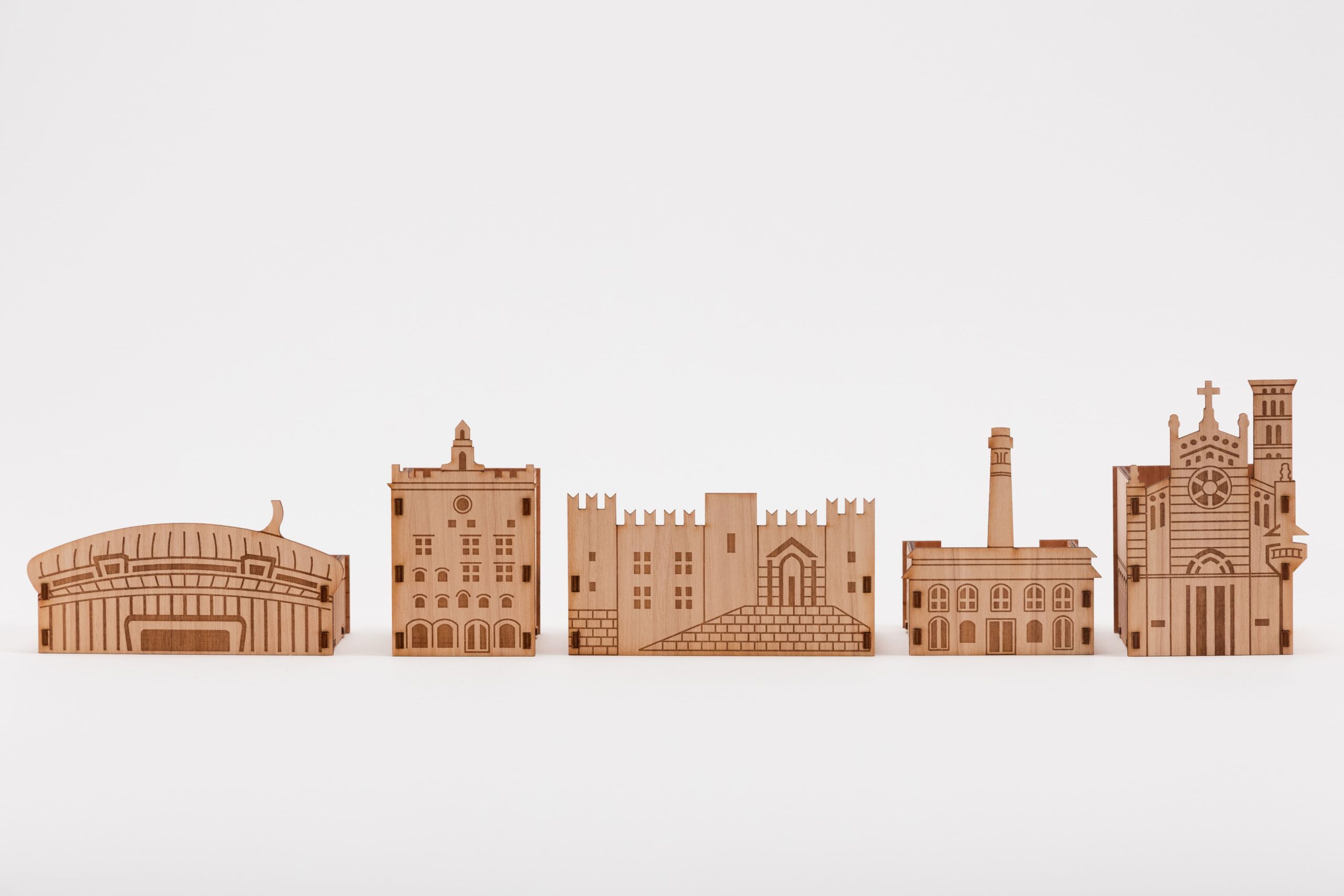
Textile Museum Desk Set – Prato sul Tavolo
€15.00
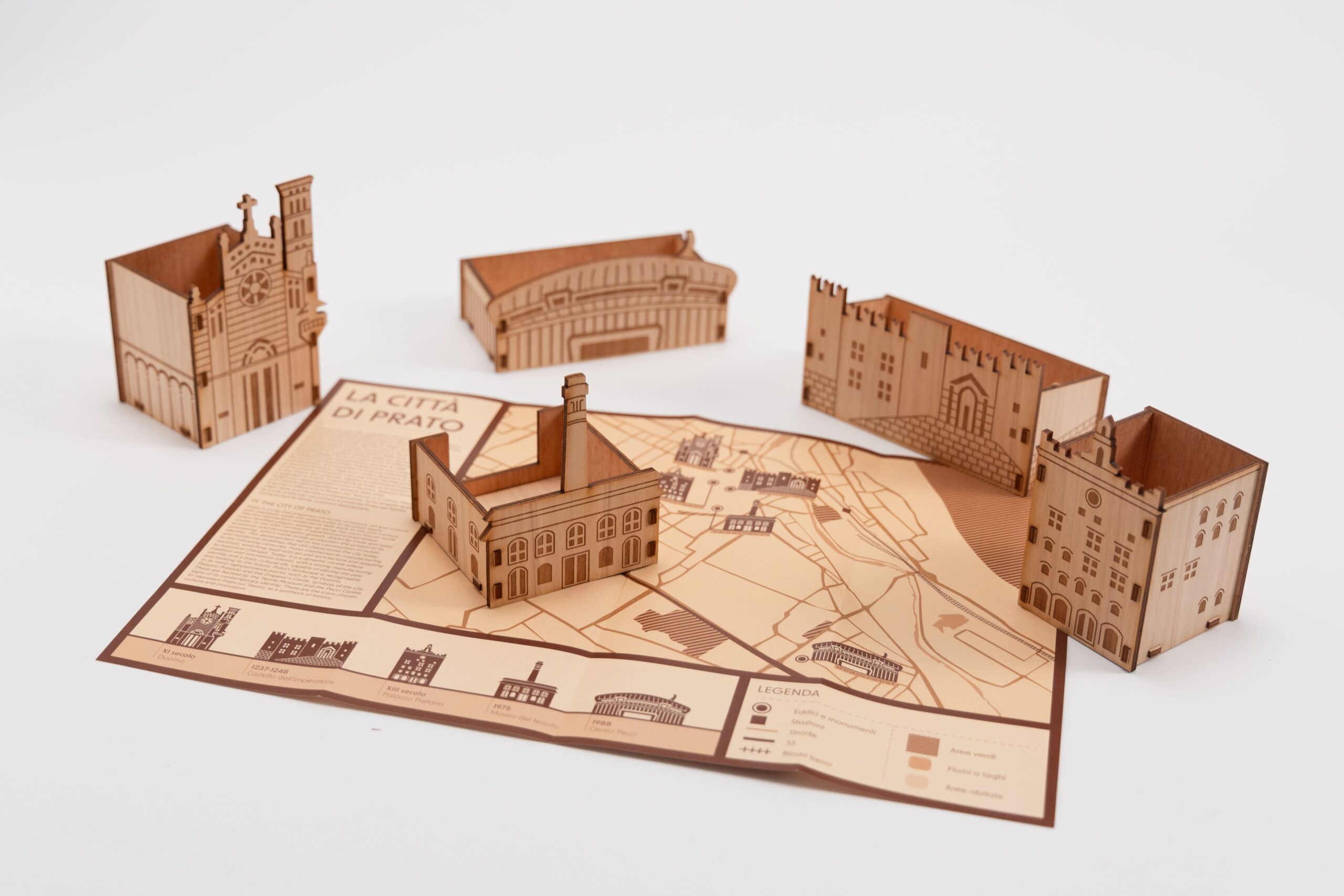
“Prato sul Tavolo” is a desk set that represents some of the most significant symbols of the city.
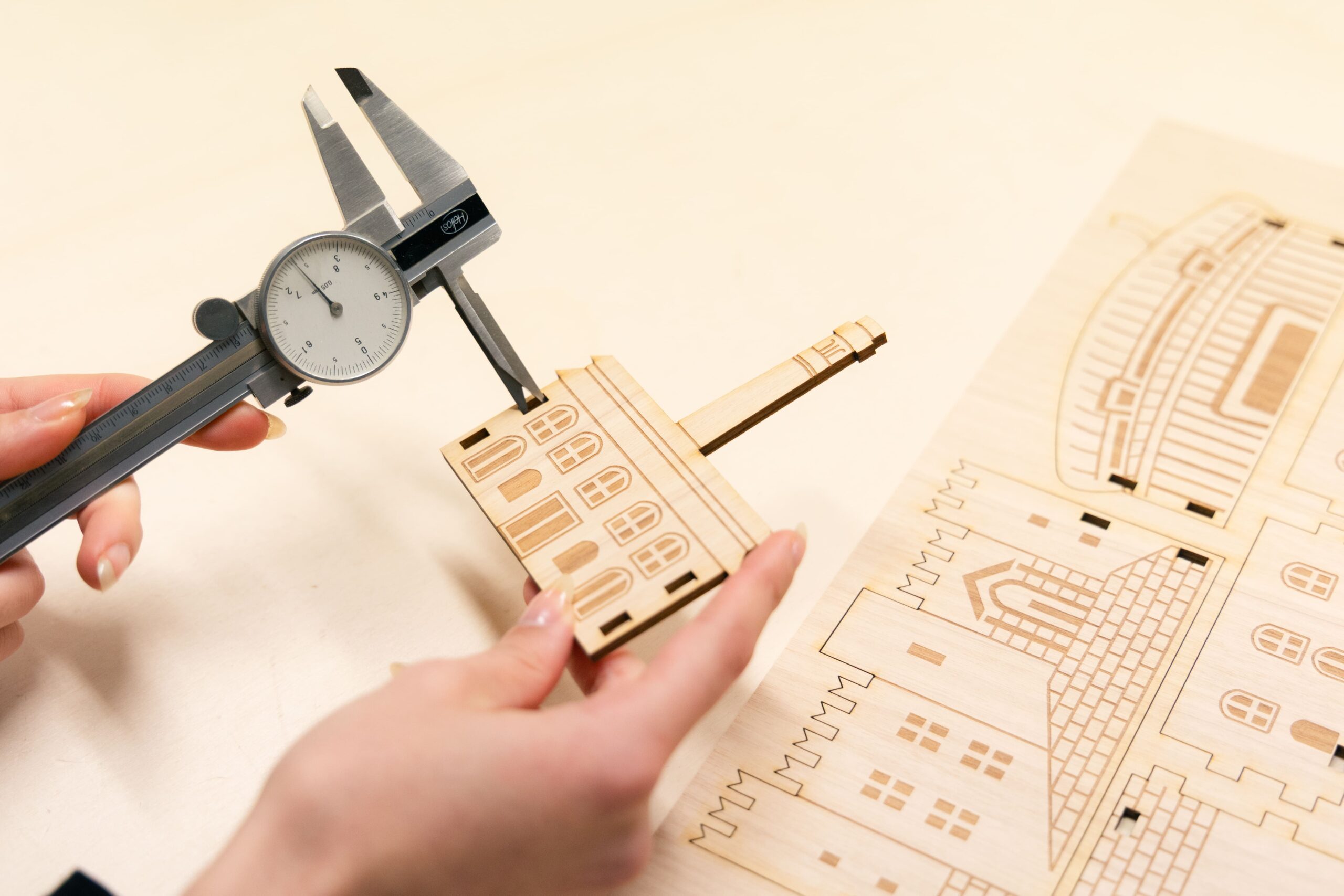
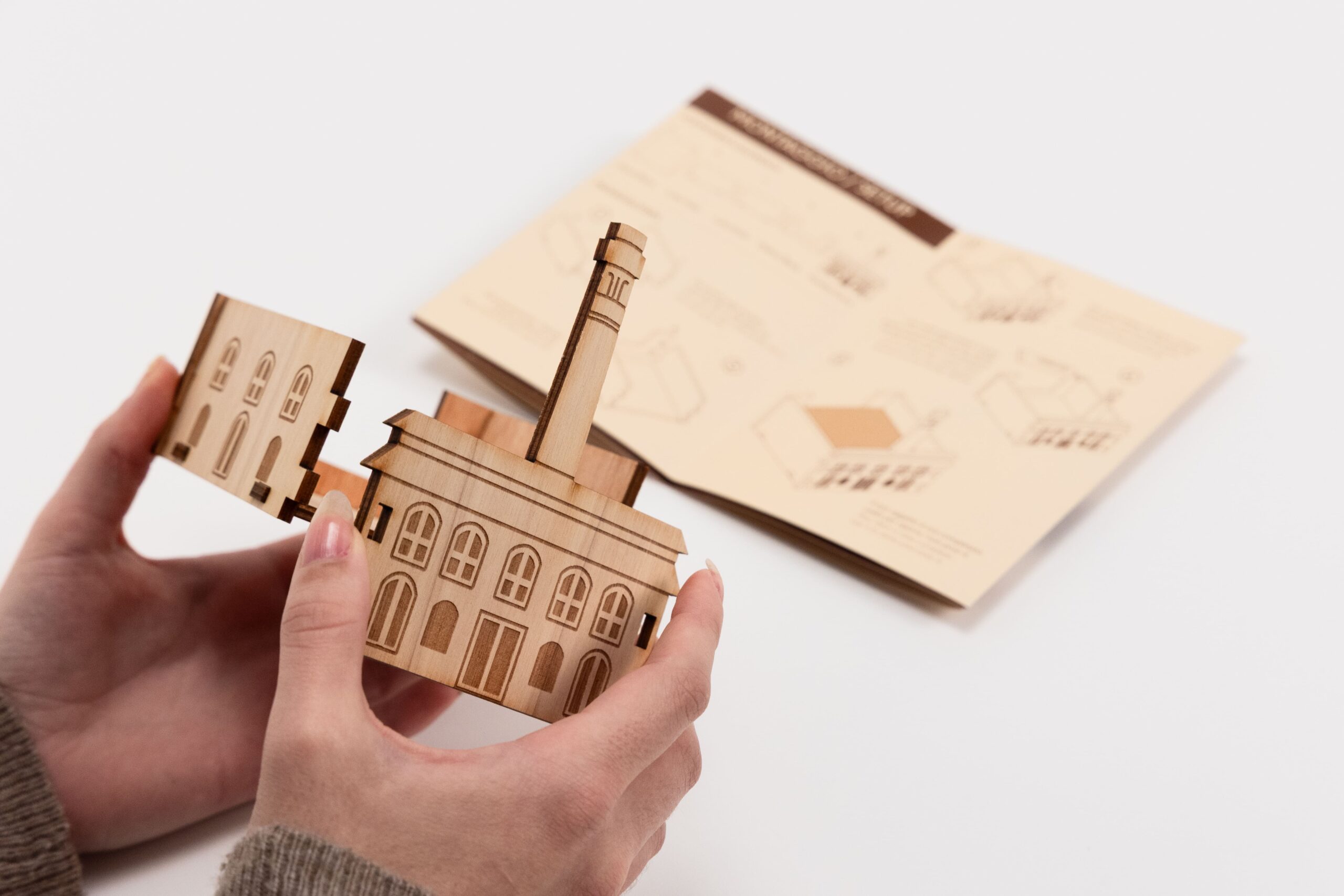
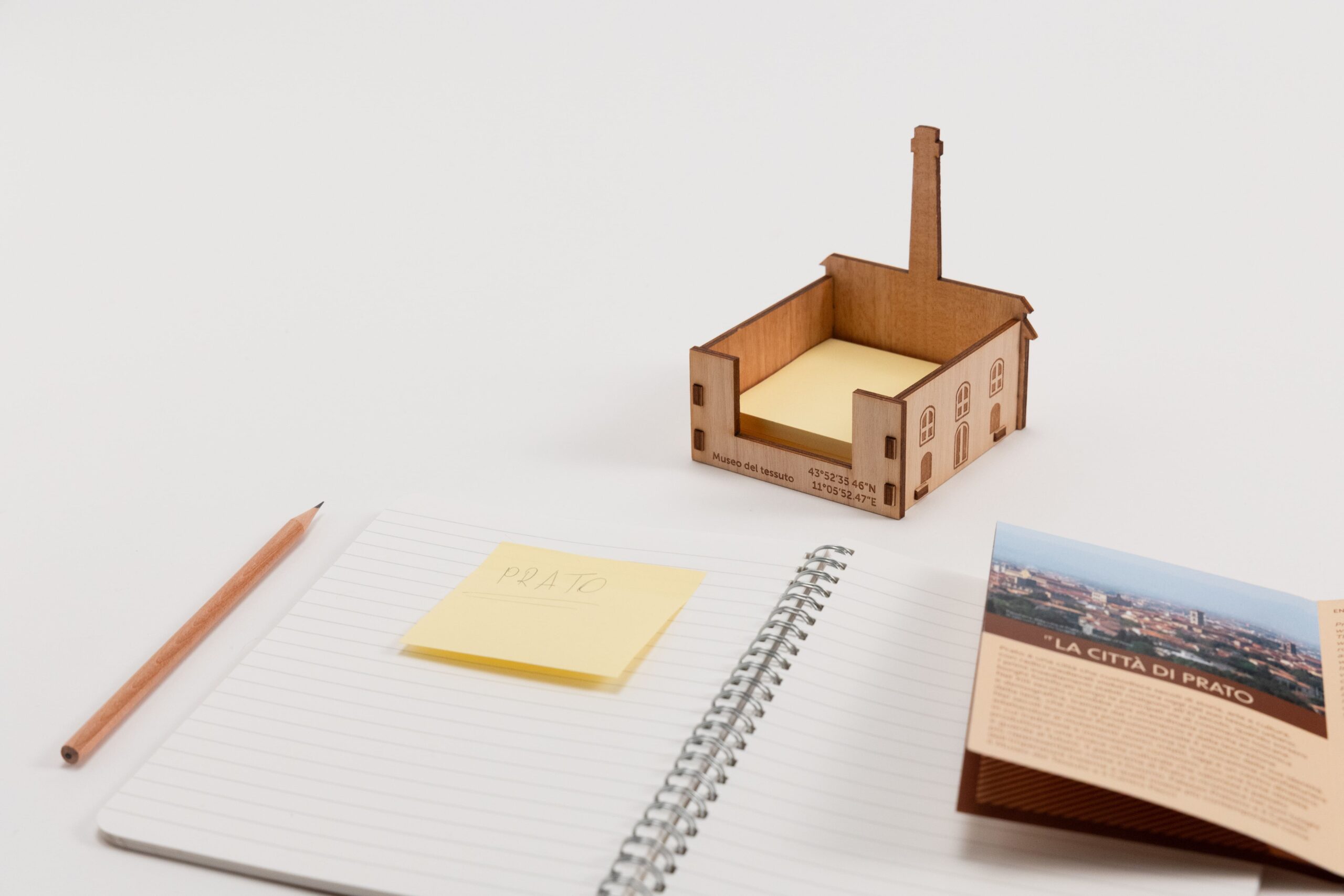
Each element of the set encapsulates the history, art, and culture of Prato in a practical desk accessory. The very shapes of the buildings suggest their function: the Cathedral and Palazzo Pretorio become pen holders, the Textile Museum a post-it holder, the Pecci Center a container for small objects, and the Castello dell’Imperatore a letter holder.
The set brings together aesthetics, functionality, and cultural identity, becoming an original and versatile keepsake.
Prato is a city that preserves centuries of history, art, and culture, with medieval roots still visible in its urban fabric. The first stable settlements date back to the 11th century, when fortified villages emerged along Tuscany’s main trade routes. In the 13th century, the city experienced remarkable economic and demographic growth, driven by trade and wool manufacturing, which made textile production a defining element of its identity. This development led to the construction of public and residential buildings that still shape the city today. In the centuries that followed, Prato maintained its manufacturing vocation, enriching itself with art and architecture while adapting to historical changes. Today, it is a dynamic centre where tradition and innovation coexist, with a strong productive identity and a vibrant cultural life that both preserves the past and looks to the future.
Prato’s skyline is defined by its most iconic landmarks: the Cathedral, Palazzo Pretorio, and the Castello dell’Imperatore, long-standing symbols of the city. Alongside them stand the Textile Museum and the Pecci Center, expressions of its contemporary identity. These are the very icons chosen to represent Prato sul Tavolo, as a synthesis of history, culture, and innovation.
- The Textile Museum of Prato is the largest cultural institution in Italy dedicated to the promotion and study of textile art. Established in the 1970s thanks to a collection of historic fabrics from the Cicognini College, it is now housed in the former Campolmi factory, an important example of industrial archaeology in the heart of the city. Its collections include textiles and garments from every era and across the world, ranging from medieval fabrics to Renaissance pieces and contemporary creations, offering a comprehensive overview of the history of textiles and costume. The museum also houses historic machinery, industrial sample books, and temporary exhibitions that explore the relationship between art, fashion, and innovation. An international point of reference for scholars, designers, and enthusiasts, it embodies Prato’s deep connection to its manufacturing heritage and the city’s ability to project itself into the future through culture and creativity.
In stock