| Weight | 0.200 kg |
|---|
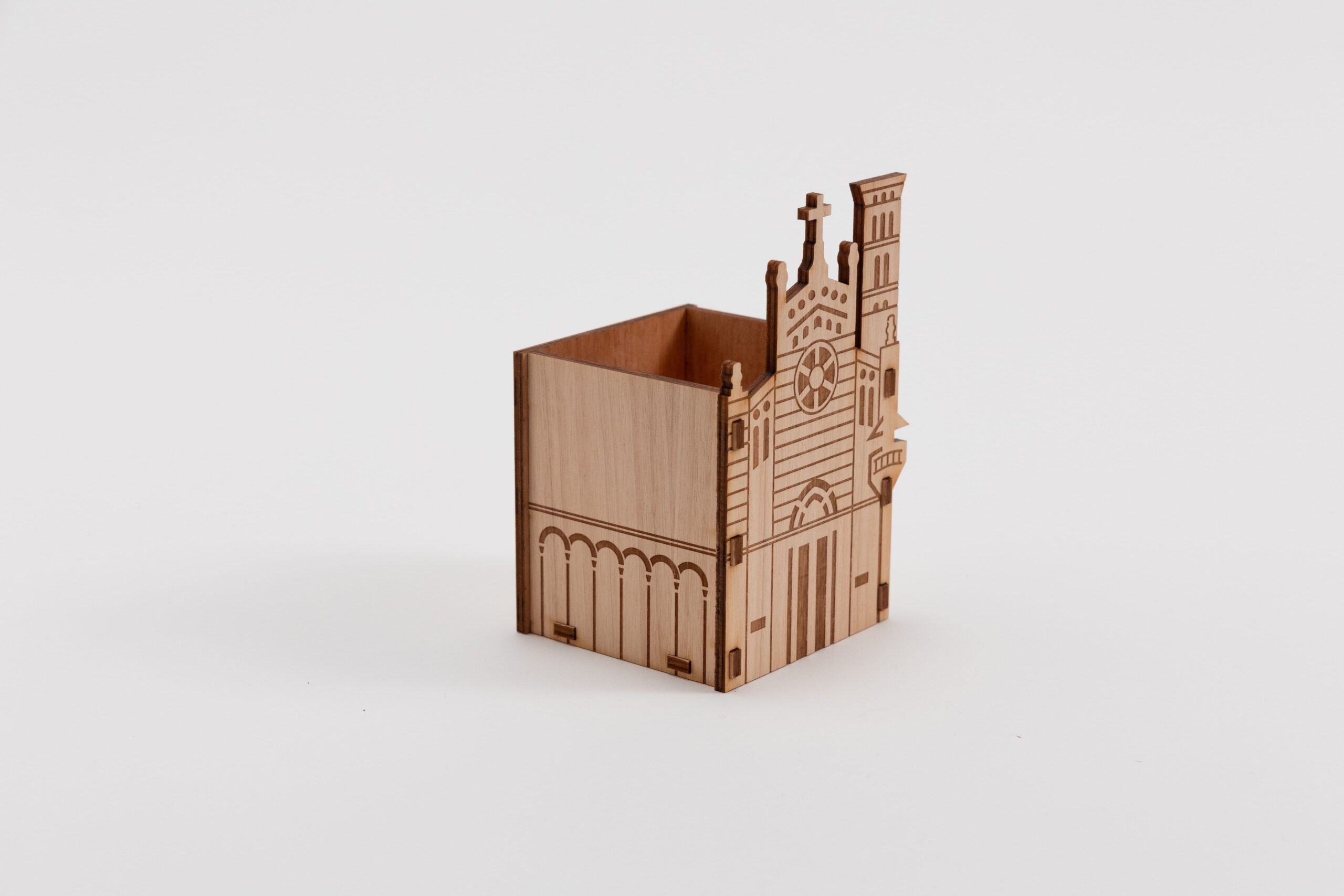
Prato Cathedral Desk Set – Prato sul Tavolo
€15.00
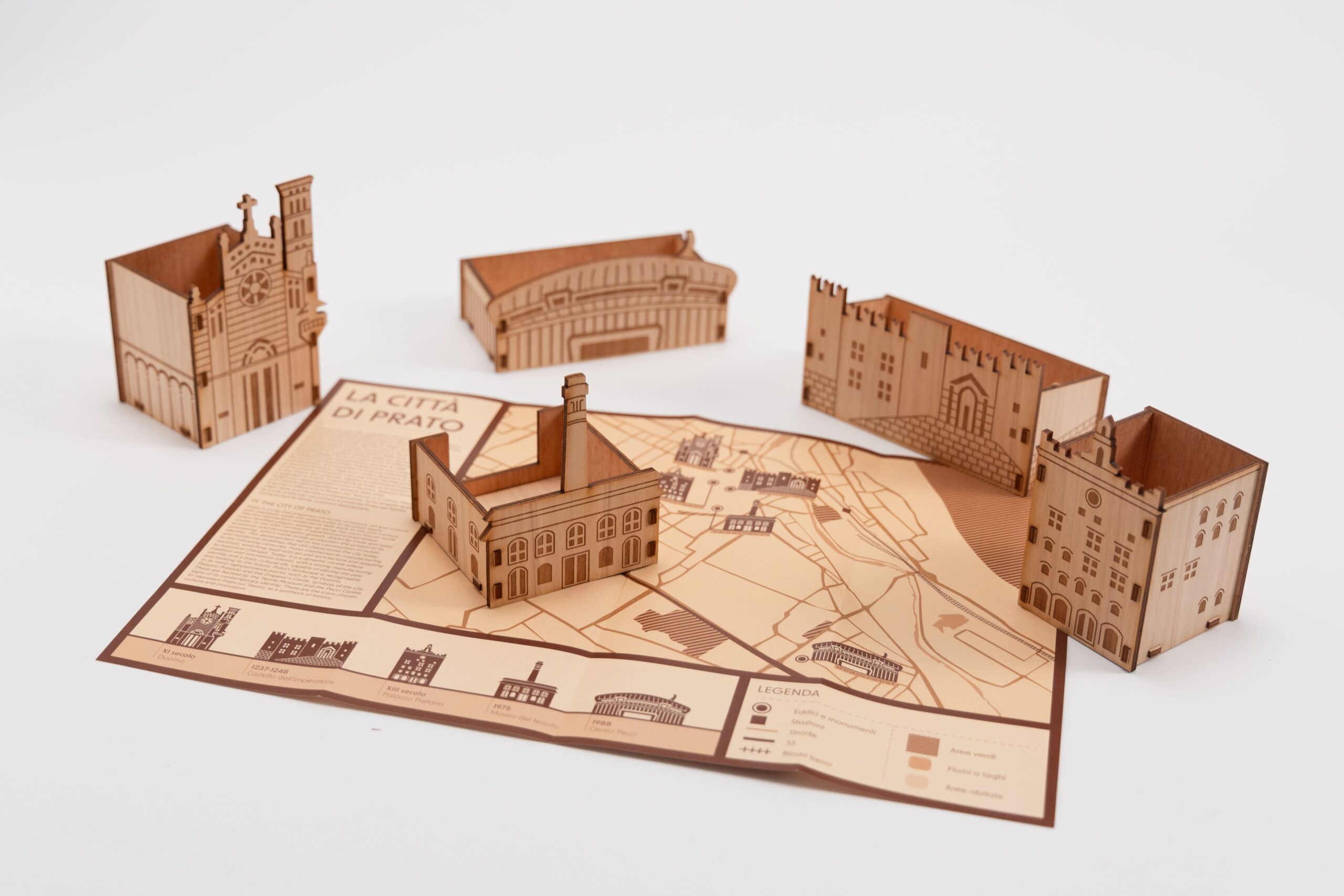
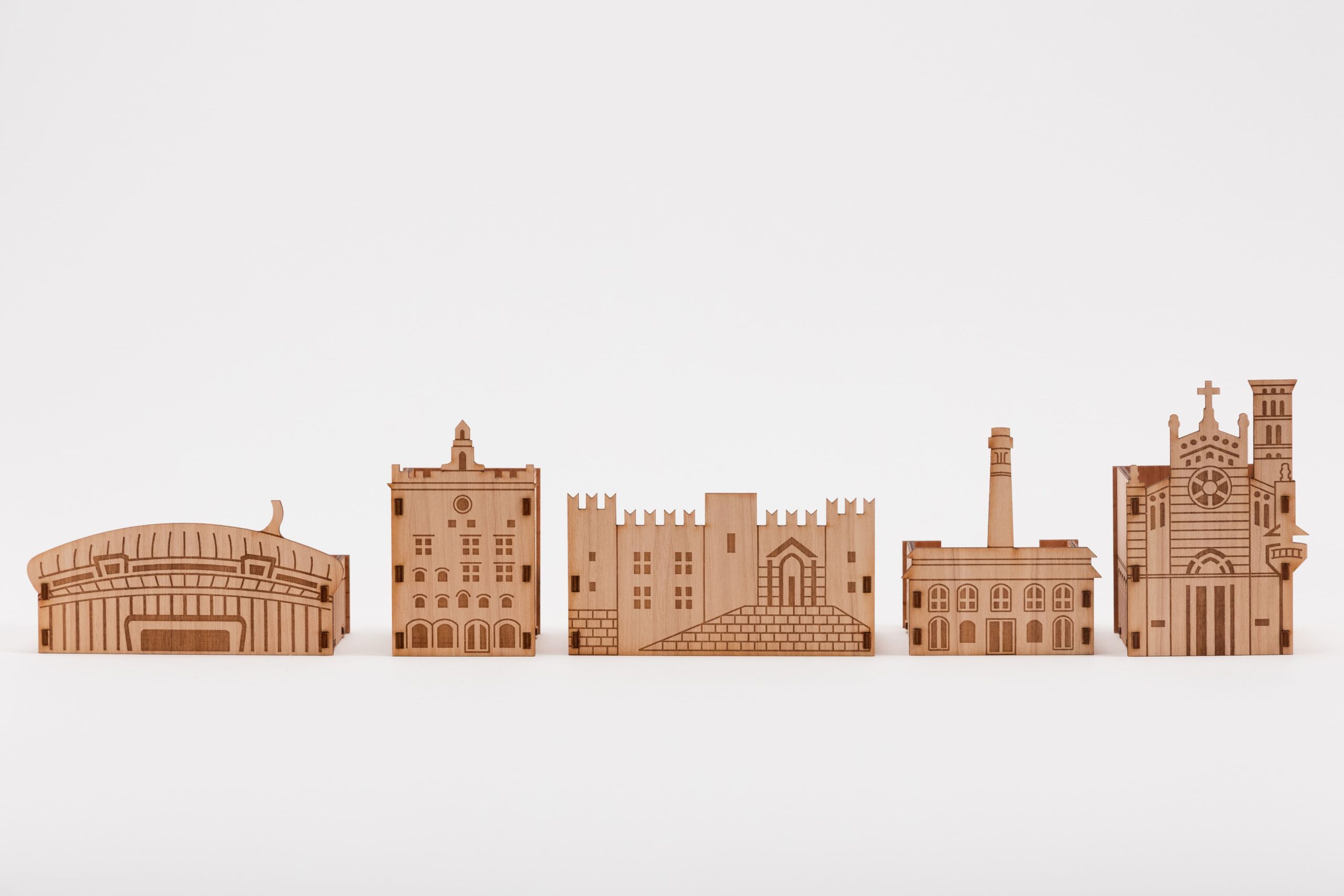
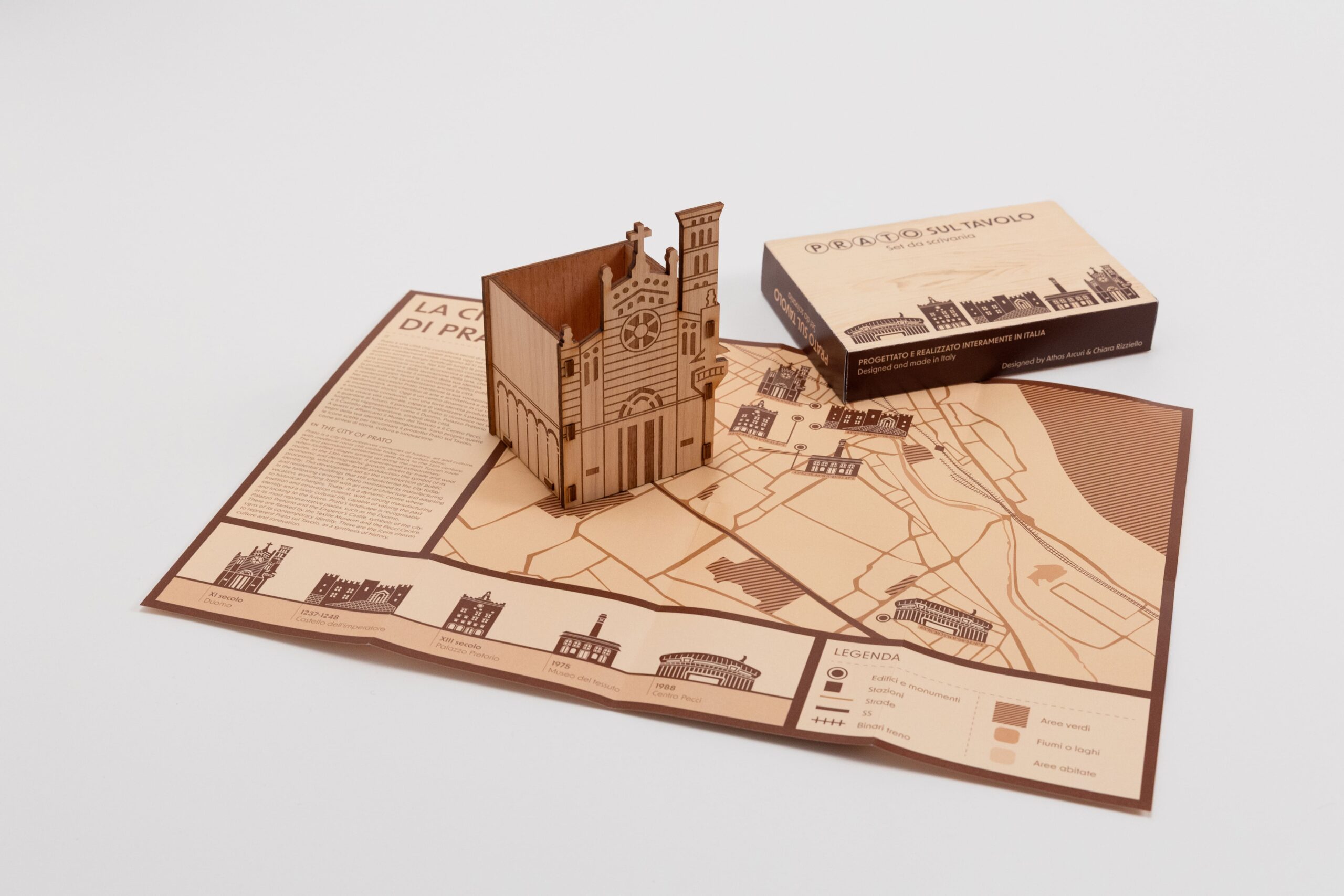
“Prato sul Tavolo” is a desk set that represents some of the most significant symbols of the city.
Each element of the set encapsulates the history, art, and culture of Prato in a practical desk accessory. The very shapes of the buildings suggest their function: the Cathedral and Palazzo Pretorio become pen holders, the Textile Museum a post-it holder, the Pecci Center a container for small objects, and the Castello dell’Imperatore a letter holder.
The set brings together aesthetics, functionality, and cultural identity, becoming an original and versatile keepsake.
Prato is a city that preserves centuries of history, art, and culture, with medieval roots still visible in its urban fabric. The first stable settlements date back to the 11th century, when fortified villages emerged along Tuscany’s main trade routes. In the 13th century, the city experienced remarkable economic and demographic growth, driven by trade and wool manufacturing, which made textile production a defining element of its identity. This development led to the construction of public and residential buildings that still shape the city today. In the centuries that followed, Prato maintained its manufacturing vocation, enriching itself with art and architecture while adapting to historical changes. Today, it is a dynamic centre where tradition and innovation coexist, with a strong productive identity and a vibrant cultural life that both preserves the past and looks to the future.
Prato’s skyline is defined by its most iconic landmarks: the Cathedral, Palazzo Pretorio, and the Castello dell’Imperatore, long-standing symbols of the city. Alongside them stand the Textile Museum and the Pecci Center, expressions of its contemporary identity. These are the very icons chosen to represent Prato sul Tavolo, as a synthesis of history, culture, and innovation.
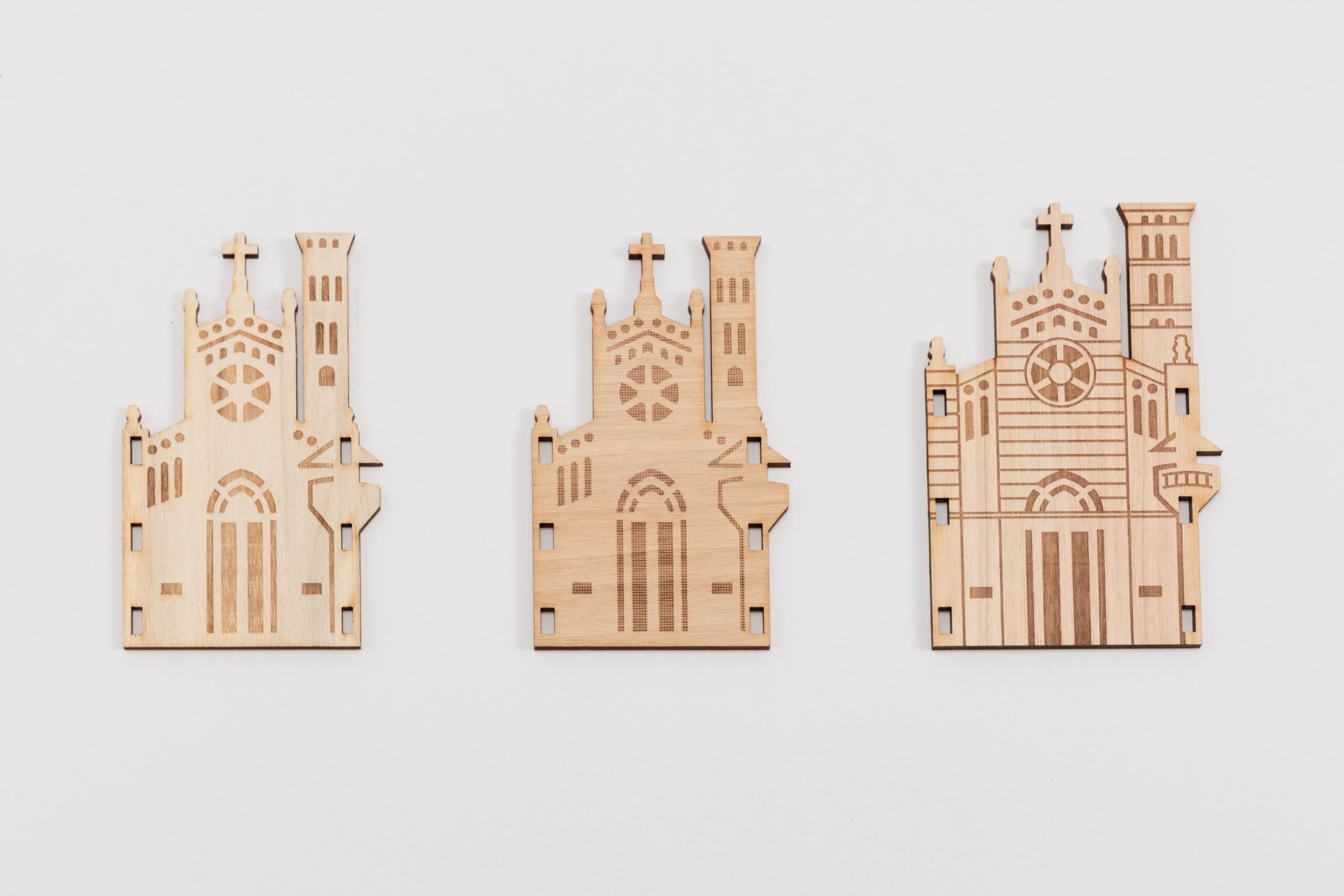
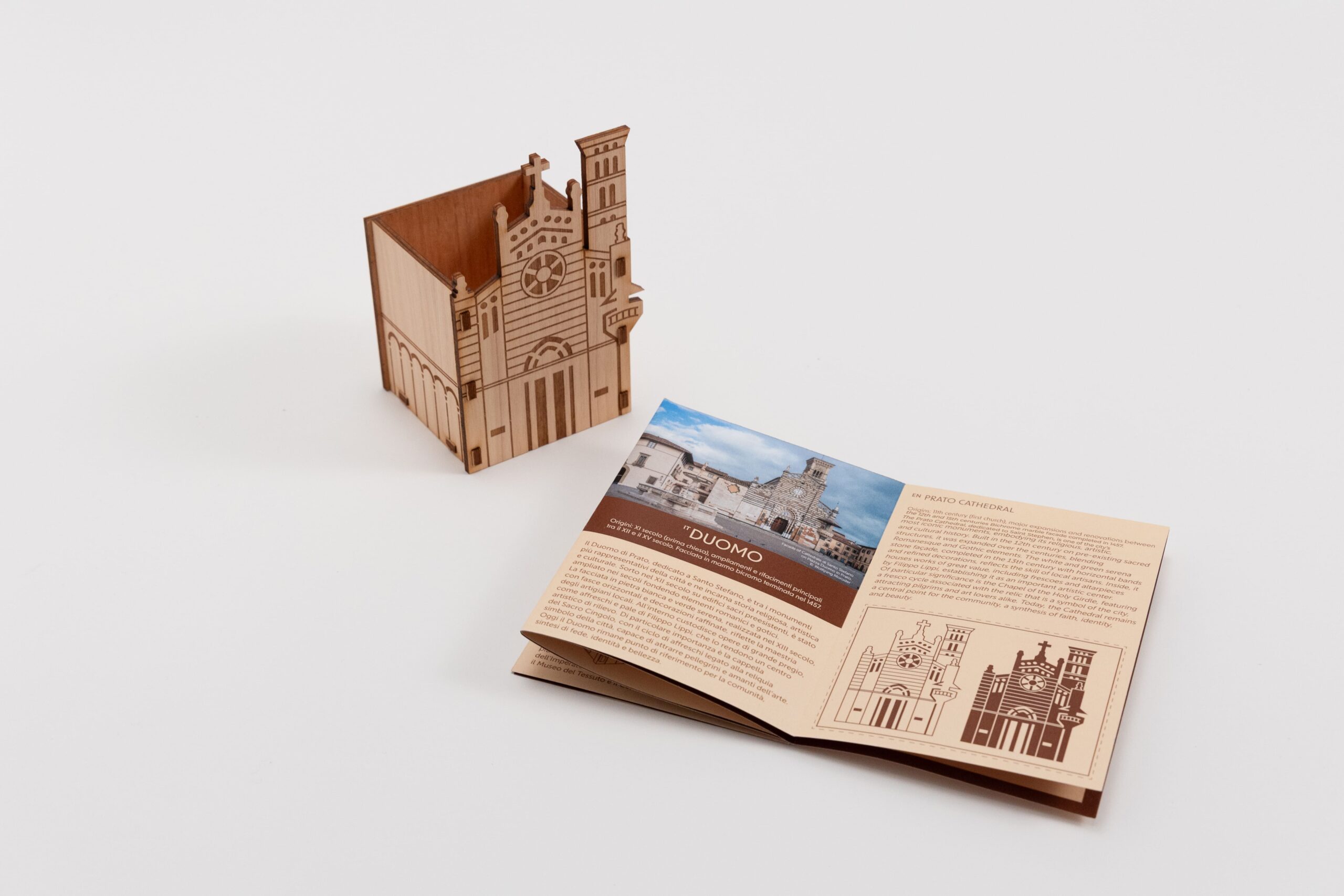
- The Prato Cathedral — the Cathedral of Saint Stephen — is one of the city’s most representative monuments and embodies its religious, artistic, and cultural history. Built in the 12th century on the site of earlier sacred structures, it was expanded over time, blending Romanesque and Gothic elements. Its facade in white and green serpentine stone, created in the 13th century with horizontal bands and refined decorations, reflects the craftsmanship of local artisans. Inside, it houses works of great artistic value, including frescoes and altarpieces by Filippo Lippi, making it an important artistic centre. Of particular significance is the Chapel of the Sacred Girdle, featuring a cycle of frescoes linked to the city’s symbolic relic, attracting both pilgrims and art lovers. Today, the Cathedral remains a key reference point for the community, representing a synthesis of faith, identity, and beauty.
In stock