| Weight | 0.200 kg |
|---|
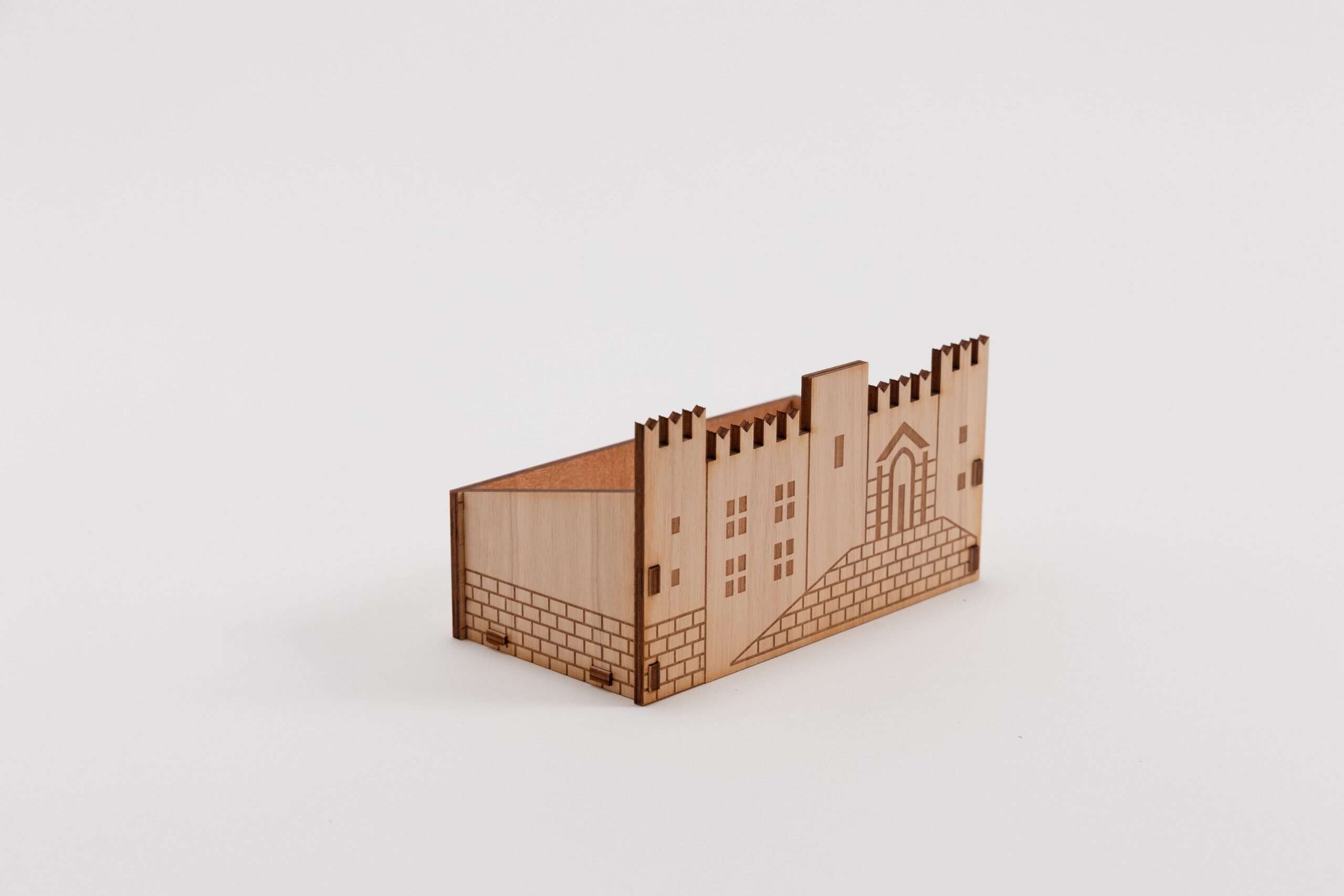
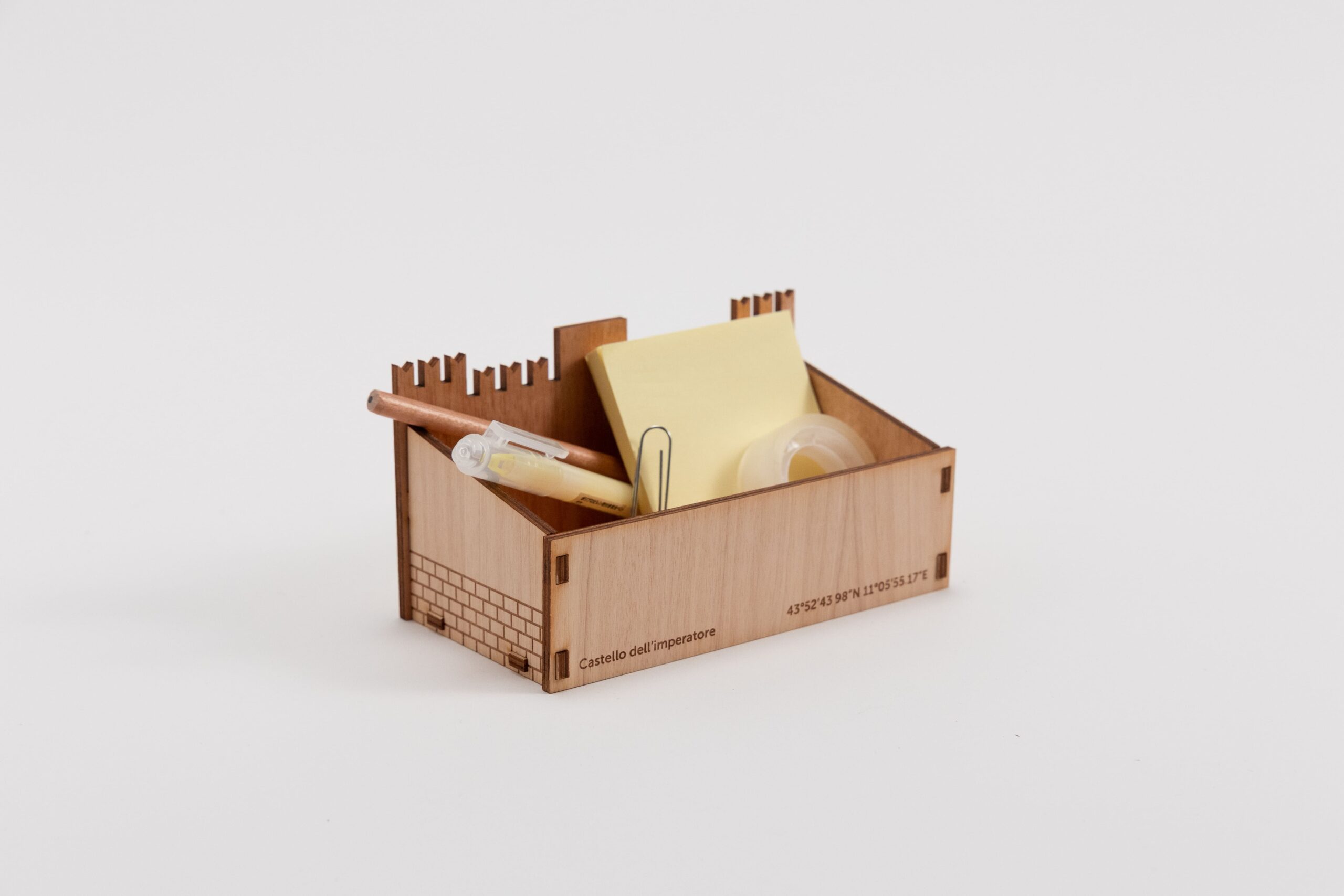
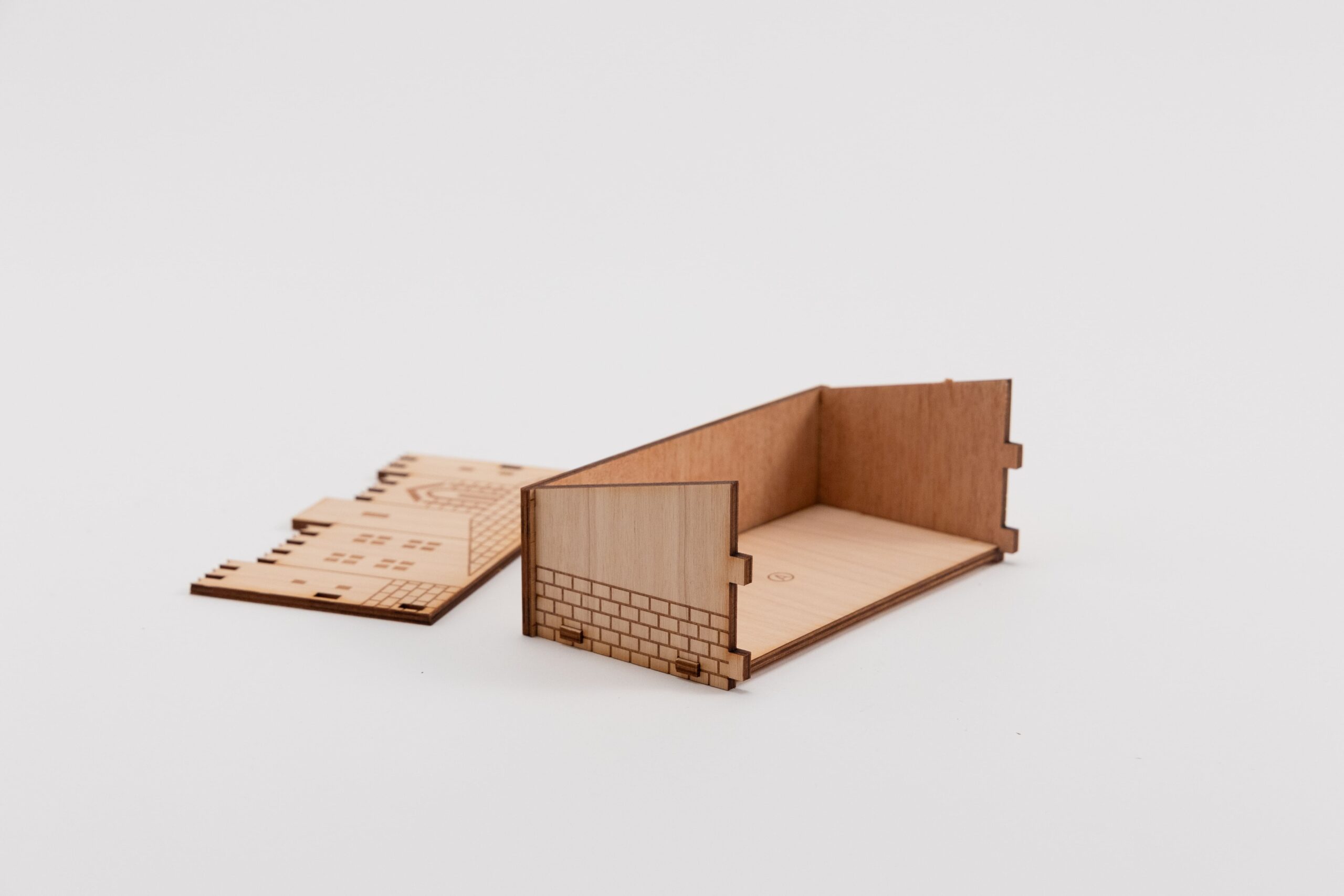
Castello dell’Imperatore Desk Set – Prato sul Tavolo
€15.00
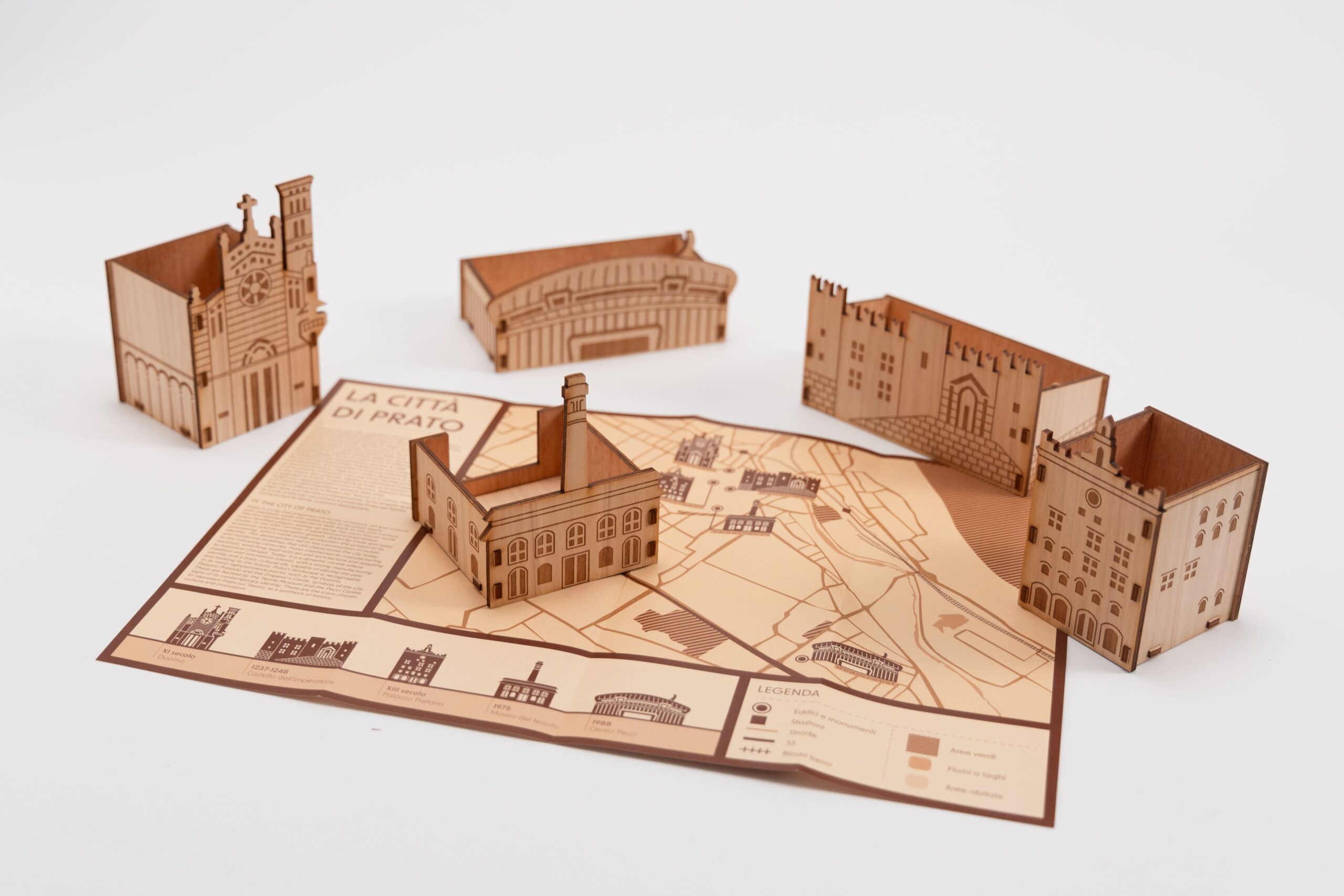
“Prato sul Tavolo” is a desk set that represents some of the most significant symbols of the city.
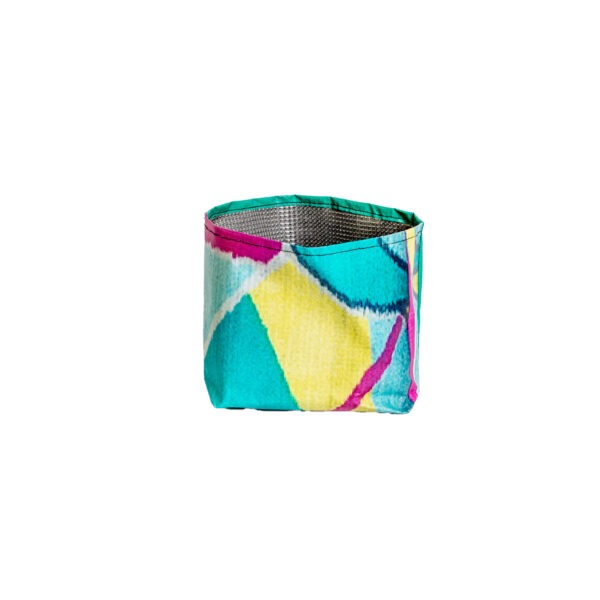
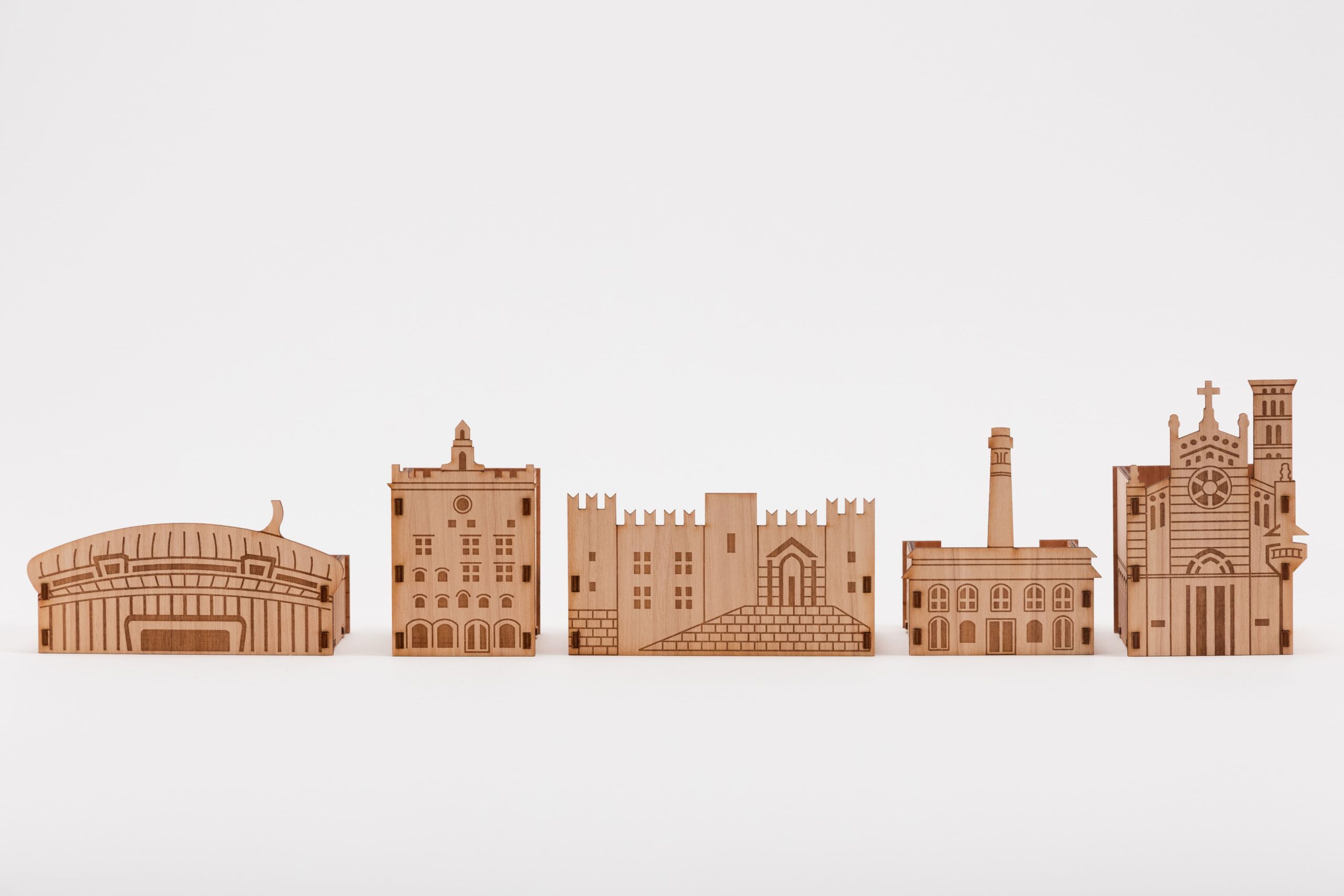
Each element of the set encapsulates the history, art, and culture of Prato in a practical desk accessory. The very shapes of the buildings suggest their function: the Cathedral and Palazzo Pretorio become pen holders, the Textile Museum a post-it holder, the Pecci Center a container for small objects, and the Castello dell’Imperatore a letter holder.
The set brings together aesthetics, functionality, and cultural identity, becoming an original and versatile keepsake.
Prato is a city that preserves centuries of history, art, and culture, with medieval roots still visible in its urban fabric. The first stable settlements date back to the 11th century, when fortified villages emerged along Tuscany’s main trade routes. In the 13th century, the city experienced remarkable economic and demographic growth, driven by trade and wool manufacturing, which made textile production a defining element of its identity. This development led to the construction of public and residential buildings that still shape the city today. In the centuries that followed, Prato maintained its manufacturing vocation, enriching itself with art and architecture while adapting to historical changes. Today, it is a dynamic centre where tradition and innovation coexist, with a strong productive identity and a vibrant cultural life that both preserves the past and looks to the future.
Prato’s skyline is defined by its most iconic landmarks: the Cathedral, Palazzo Pretorio, and the Castello dell’Imperatore, long-standing symbols of the city. Alongside them stand the Textile Museum and the Pecci Center, expressions of its contemporary identity. These are the very icons chosen to represent Prato sul Tavolo, as a synthesis of history, culture, and innovation.
- The Castello dell’Imperatore is the only example in Italy of Swabian architecture commissioned by Frederick II. Construction began in the 13th century as a symbol of imperial power and a strategic military stronghold along the main routes connecting Tuscany to the rest of Europe. Built entirely in stone, it features a square layout with corner towers and imposing defensive walls that highlight its military function. Although never completed, the castle retains an austere and monumental character, bearing witness to the political and military ambitions of the emperor. Over time, it was used as a barracks and prison before falling into disuse. Restored in the 20th century, it is now one of the city’s main landmarks, open to the public and hosting cultural events. Its imposing structure and central location make it a key visual and cultural reference point, where medieval history meets contemporary life.
In stock